
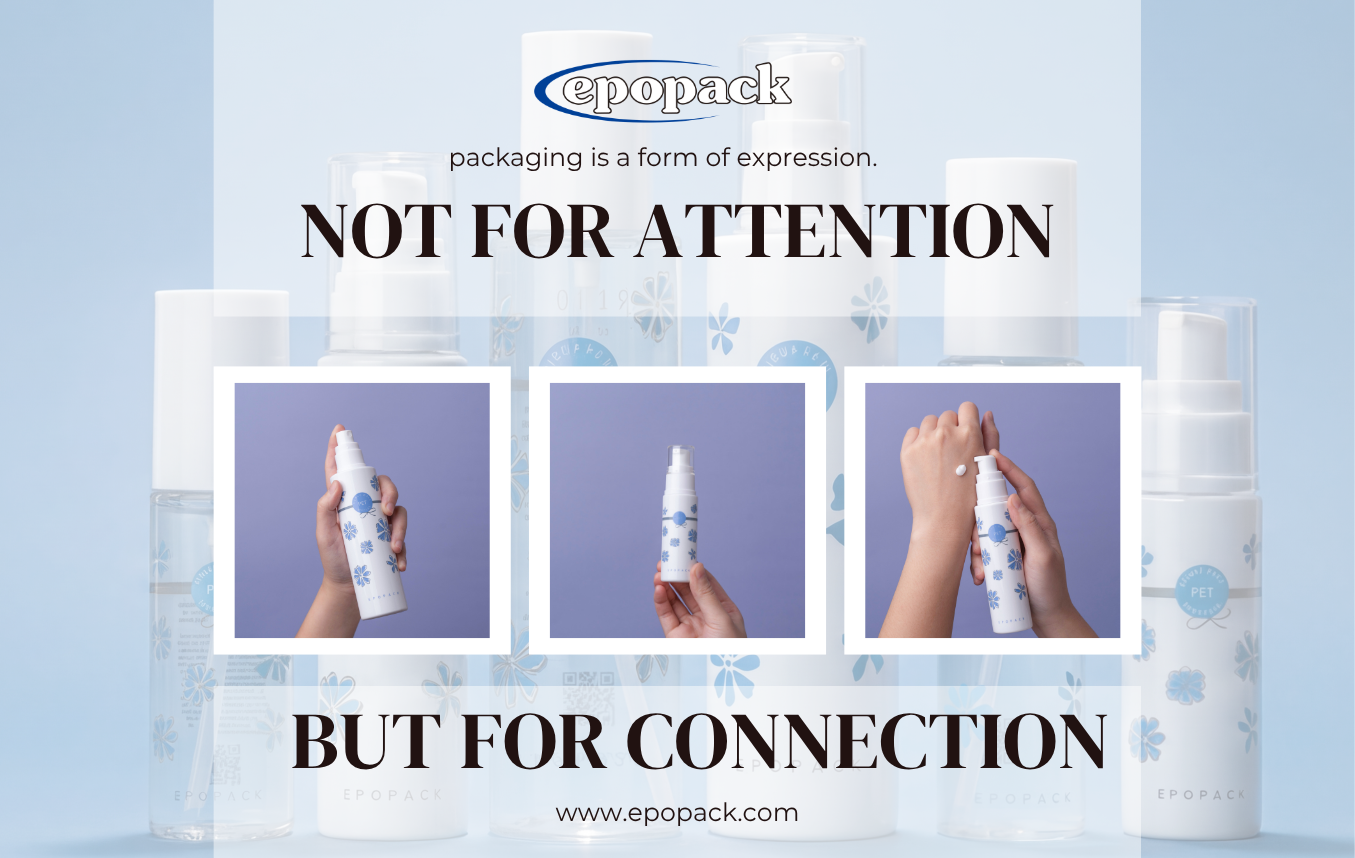
When Packaging Speaks, Communities Listen.
We often think of packaging as a way to stand out. Something eye-catching, something premium, something that signals quality at a glance. But more and more, the brands that resonate aren't just designing for attention, they're designing for connection. Because when packaging reflects an idea, a moment, or a shared value, it becomes something people recognize and relate to.
You can see this clearly with limited editions and collaborations. A seasonal release, a special design drop, or a partnership with an artist does more than refresh the look of a product. It creates a sense of timing and participation. People don't just buy it, they feel like they're part of something that's happening now. It becomes a conversation: something to share, to compare, to talk about. In a subtle way, it brings people together.
There's also something powerful about familiarity. When a brand builds a strong visual identity through consistent shapes, colors, or finishes, it creates recognition over time. You don't need to see the logo to know what it is. And that recognition builds trust, but also a kind of quiet belonging. It feels familiar, almost personal, like something you've chosen to be part of more than once.
What's interesting is that this connection often goes beyond the product itself. A well-designed package can reflect someone's taste, their values, even their lifestyle. It becomes something they're happy to display, not hide. In that way, packaging starts to act less like a container and more like a form of expression.
For brands, this shift changes the role of packaging entirely. It's no longer just about making a strong first impression, it's about creating something that lasts beyond it. Something that people want to keep, revisit, and even talk about with others.

EPOPACK Co., Ltd. is the leading manufacturer and outstanding supplier in the cosmetics packaging industry.
With more than 30-year experiences in R&D as well as manufacturing, we offer an extensive range of high-quality cosmetics containers worldwide. Click to read more about us!
Latest Posts
- New website launched! July 1
Useful Links
Contact Us
No. 3, Ziqiang 1st Rd.
Zhongli Dist, Taoyuan City 32063
TAIWAN
Telephone: 886-3-4631598
Fax: 886-3-4631511
Email: info@epopack.com
2016 © All Rights Reserved.