
Why Consumers Keep Packaging That Speaks to Them : Packaging You'll Remember
When we first introduced PCR into our packaging, it wasn't because it was trending. It was expensive, inconsistent, and difficult to justify on paper. But we believed that if packaging reflected real responsibility, consumers would feel it.
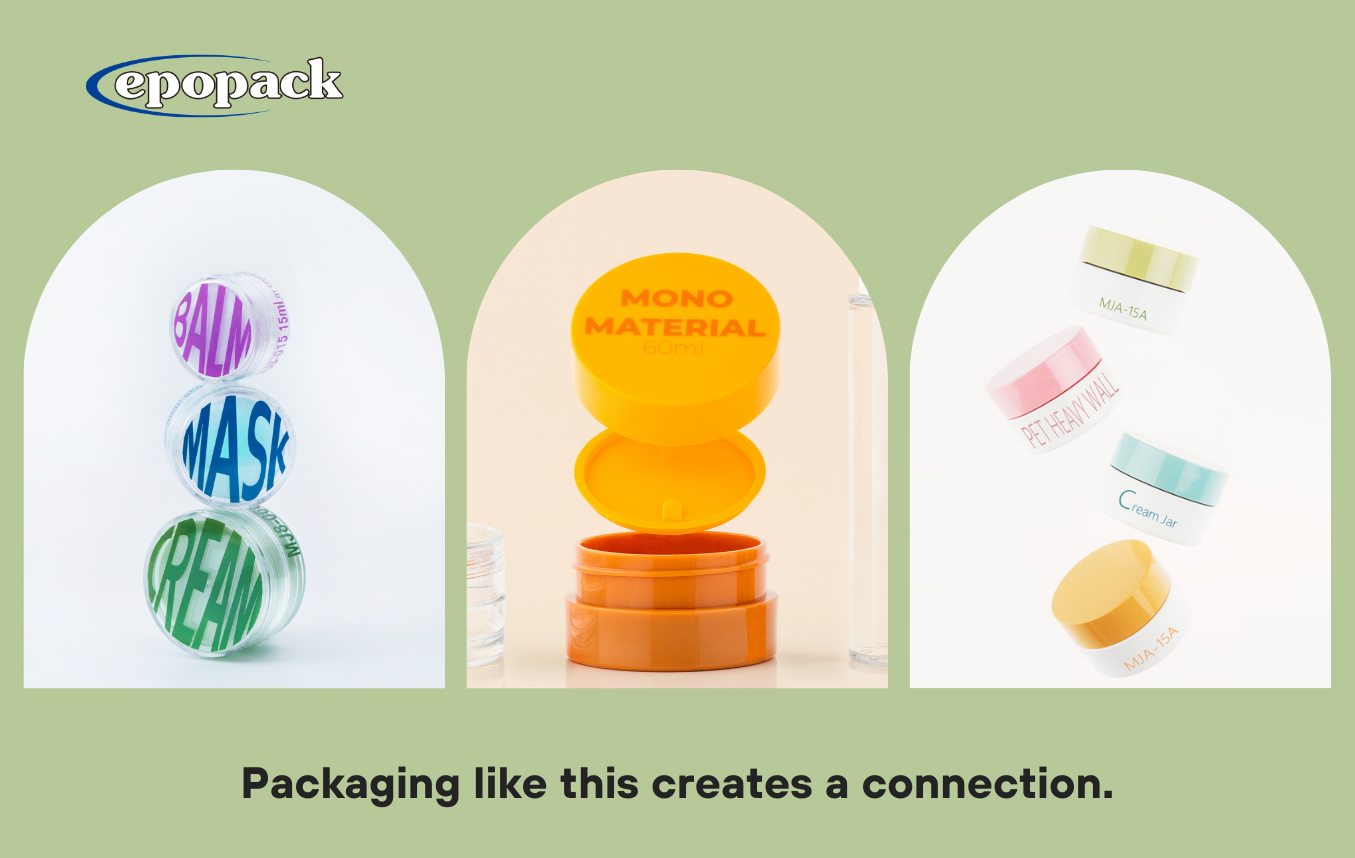
As we looked deeper into the recycling system, we discovered that one of the biggest costs isn't the material itself, it's sorting different materials apart. So instead of asking how to make PCR cheaper, we asked how to make recycling simpler. That thinking led us to design one of our first mono-material jars, long before it became industry language.
We chose PET, which gave us something powerful: full transparency. Many jars hide production challenges with a frosted base. We decided not to. We refined the process until the entire jar, including the base, was crystal clear. No masking. Just precision.
That clarity opened up storytelling. With a fully transparent structure, brands could add a hidden message inside the jar, revealed only when the cream is finished. A small, unexpected moment at the very end of the experience.
Even the way the cap screws on matters. When it closes smoothly, when it feels balanced in the hand, consumers don't analyze it, they simply register quality.
People keep packaging that feels intentional. Packaging that reflects care, confidence, and meaning. When design, sustainability, and experience work together quietly in the background, it creates something more than a container.
It creates connection.

EPOPACK Co., Ltd. is the leading manufacturer and outstanding supplier in the cosmetics packaging industry.
With more than 30-year experiences in R&D as well as manufacturing, we offer an extensive range of high-quality cosmetics containers worldwide. Click to read more about us!
Latest Posts
- New website launched! July 1
Useful Links
Contact Us
No. 3, Ziqiang 1st Rd.
Zhongli Dist, Taoyuan City 32063
TAIWAN
Telephone: 886-3-4631598
Fax: 886-3-4631511
Email: info@epopack.com
2016 © All Rights Reserved.